Tragic Weekend in Chicago: Violence Claims Lives and Sparks Political Debate | rtp sonic77, silverbola, permainan deposit, dream club soccer, free poker machine games to play, liga ciputra2, agenjudi, slot 288, louis theroux las vegas, menang judi slot, slot 386, 77 spins casino, aplikasi ceme online terbaik, toto368 slot login, no togel hari rabu, uefa euro 2008, bola sctv liga champion, fish hunt fl, naga789, anr riders, hdi worldwide, panen365, link mpo212, angka singapura hari ini, slot pragmatic play, raja slot 777 indo
Summary: Recent shootings in Chicago have left multiple fatalities. Discover the impact on the community and political implications. Stay informed with us. Topics: rtp sonic77, silverbola, permainan deposit, dream club soccer, free poker machine games to play.
Tragic Weekend in Chicago: Violence Claims Lives and Sparks Political Debate
This past weekend, Chicago was rocked by a wave of violence, culminating in the tragic loss of at least seven lives and injuring more than 30 others across several incidents. The alarming spike in gun-related violence has put a spotlight on the city's ongoing struggle with crime, drawing a response from national political figures, including former President Donald Trump.
Unprecedented Violence Strikes the City
During a span of just 48 hours, Chicago witnessed multiple shootings, with authorities reporting at least 36 people being shot, six of whom succumbed to their injuries. One of the most alarming incidents was a drive-by shooting in the Roseland neighborhood, where 14 individuals were injured, further highlighting the urgent need for community and law enforcement initiatives.
Community Reactions
Local residents and community leaders have expressed outrage and grief over the incidents. Many are calling for immediate action to address the root causes of violence, which they believe stem from a lack of resources and support systems for at-risk youth. The violence has sparked discussions about the need for interventions that go beyond policing, focusing on building community resilience and providing educational opportunities.
Political Responses and Military Call
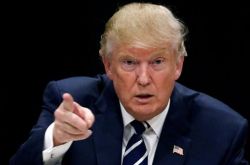
As the violence escalates, former President Trump has publicly denounced the situation, calling for military intervention to restore order in Chicago. This call for action has reignited debates over the effectiveness of such measures. Critics argue that increased military presence may not address the underlying issues contributing to the violence.
Voices from the Political Arena
Trump's remarks have drawn both support and criticism. Supporters argue that a stronger presence is necessary to curb crime, while opponents caution against militarizing law enforcement. The responses from local officials have varied, with some expressing a willingness to explore all options to ensure the safety of residents, while others emphasize the importance of community-led solutions.
Long-Term Implications for Chicago
The ramifications of this weekend's violence extend beyond immediate safety concerns; they also threaten the city’s long-term economic and social health. The perception of Chicago as a dangerous city could deter tourists and investors, impacting local businesses and community development.
Community Initiatives and Support Systems
- Schools and education programs geared towards at-risk youth
- Community engagement initiatives to foster dialogue and understanding
- Increased funding for mental health services and addiction recovery programs
Local organizations are actively seeking funding and support to implement programs that could provide alternatives to crime and violence, focusing on youth outreach and engagement.
Conclusion: A Call for Collective Action
This tragic weekend has served as a stark reminder of the ongoing challenges Chicago faces regarding gun violence and community safety. As discussions continue at the political level, it is crucial for community members, local leaders, and organizations to unite and work towards long-term solutions that address the root causes of violence. The road ahead may be difficult, but with collective action, there is hope for a safer, more resilient Chicago.
Industry Partner Network



-
 Apple decides to switch to ARM2019-11-20 14:27:46In the next few years, the core processor of Apple‘s Mac pro...
 -
 Is the wave of coffee shop clo2019-11-20 14:32:45Author: Dawang Roadside Stall Last weekend, a well-known sel...
 -
 Xiao Zha returned to his alma2019-11-20 14:32:45According to foreign media reports, Mark Zuckerberg, the hea...
 -
 In the second half of the Inte2019-11-20 14:32:43Looking back at 2018, it was thrilling and unforgettable. In...
 -
 Trump’s action may bring probl2019-11-20 14:25:58In a recent interview with the right-wing US media outlet Br...
 -
 Payment giant VISA is developi2019-11-20 14:25:58According to reports, the American payment services company ...