Creating Dynamic Urban Spaces for Tomorrow's Challenges | rtp wbocash, online casino coupon codes, livechat naga303, info bet gratis, garuda123 slot, today fixed soccer sure win, 2048 online, best f2p games, cara deposit gates of olympus, remi cangkulan online, data toto jepang, betnspin casino, slot minimal deposit 5000 via ovo, judi lapak pusat slot online, gambar bola mata anime, erigo4d, judi id, towertoto slot, buku impian togel lengkap gambar, fairplay slot, luckybet89 deposit, ibox303, no verification casino no deposit bonus
Summary: Explore innovative urban design strategies that address current challenges. Learn how cities can evolve for sustainability and community well-being. Topics: rtp wbocash, online casino coupon codes, livechat naga303, info bet gratis, garuda123 slot.
Creating Dynamic Urban Spaces for Tomorrow's Challenges
As the world faces unprecedented urbanization and environmental shifts, the need for innovative and sustainable city design has never been more critical. Cities are not just places where people live; they are dynamic spaces that can reflect and respond to the needs of their residents. The concept of vibrant cities, which prioritize livability, sustainability, and community engagement, is emerging as a key framework for urban development.
The Importance of Vibrant Cities
In today’s rapidly changing world, vibrant cities are essential for fostering community well-being and resilience. With growing populations and changing environmental conditions, urban areas must adapt to remain functional and inviting. Here are some reasons why investing in vibrant city design is vital:
- Enhanced Quality of Life: Thoughtfully designed public spaces, parks, and community centers encourage social interaction and physical activity.
- Economic Growth: Vibrant cities attract businesses and tourism, leading to job creation and economic stability.
- Sustainability: Innovative urban designs incorporate green spaces and environmentally-friendly practices, reducing the overall carbon footprint.
Strategies for Developing Sustainable Urban Environments
Urban planners and architects are employing various strategies to create cities that are not only functional but also vibrant. Some of these strategies include:
Inclusive Community Engagement
Involving residents in the planning process ensures that urban spaces meet the specific needs of the community. Engagement can take many forms, including surveys, public forums, and participatory design workshops. By listening to the voices of community members, urban planners can create spaces that truly resonate with those who live there.
Integration of Green Spaces
The incorporation of parks and green areas within urban environments plays a crucial role in promoting health and well-being. Access to nature has been linked to reduced stress and improved mental health. Furthermore, green spaces contribute to biodiversity and help mitigate urban heat effects.
Smart Technology Implementation
Utilizing smart technology can enhance urban living by improving infrastructure and services. Smart lighting, waste management systems, and traffic controls can lead to more efficient city operations. It’s also vital to consider accessibility in technology deployment, ensuring all residents can benefit.
Case Studies of Successful Urban Innovations
Numerous cities across the globe are leading the way in sustainable urban development. Here are a few notable examples:
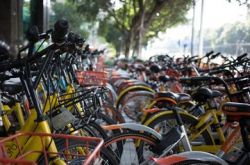
- Copenhagen, Denmark: Known for its bike-friendly infrastructure, Copenhagen has promoted cycling as a primary mode of transport, reducing pollution and enhancing public health.
- Singapore: The city-state integrates nature into its urban planning, with vertical gardens and wide green corridors connecting neighborhoods.
- Curitiba, Brazil: Famous for its efficient bus rapid transit system, Curitiba has demonstrated how sustainable public transport can transform urban mobility.
Conclusion: The Path Forward
As urban areas continue to grow, the imperative to create vibrant, sustainable cities is more pressing than ever. By prioritizing community engagement, green spaces, and smart technologies, cities can not only address current challenges but also lay the groundwork for future resilience. Embracing these principles will ensure that urban environments remain livable, dynamic, and inclusive for generations to come.
Industry Partner Network
-
 From painting walls to paintin2019-11-20 14:32:45From painting walls to painting mobile phone screens, it onl...
 -
 Heartache! Major e-commerce pl2019-11-20 14:27:46The annual Queen‘s Day is coming soon. To welcome this festi...
 -
 As Youku closes the front-end2019-11-20 14:32:45Cut through the hustle and bustle and return to your true na...
 -
 Alan Greenspan: A Legacy of Ec2026-06-22 21:05:19Discover how Alan Greenspan shaped the American economy duri...
 -
Czech Broadcasters Protest Gov2026-06-22 21:03:00Czech public broadcasters hold a warning strike against prop...
-
 The Tragedy of the Commons and2019-11-20 14:32:43In January 2013, Michelle Walker, author of the best-selling...