Understanding AI Anxiety: Key Insights from SHRM26 Speakers | meoh789 slot, saranghoki, kingdomtoto1, rtp receh88, rtp 69cuan, slots no deposit needed, sawer138 slot, slot hoki hari ini, rtp slot uno4d, permata slot 4d, fufu4d slot login, shakhtar donetsk leipzig, bermain slot kalah terus, duniampo login, play mega moolah slot, from syair sdy, mister untung 188, joker123apk login, rtp nnc slot, slot pragmatic indonesia, bagan liga champion 16 besar, lotto result dec 9 2020, link alternatif bimabet, tektok777, bandar slot online terbaik, aplikasi bandar qq, no togel pasar
Summary: Explore vital insights on AI from SHRM26 speakers. Learn how to address AI anxiety in the workplace today! Topics: meoh789 slot, saranghoki, kingdomtoto1, rtp receh88, rtp 69cuan.
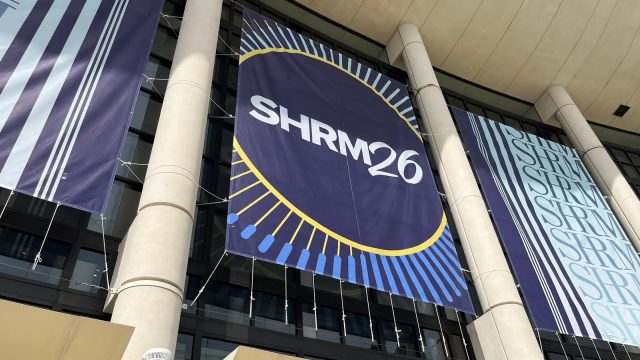
The recent SHRM26 conference brought together industry leaders and experts who shared their perspectives on the evolving role of artificial intelligence in the workplace. Among the themes discussed, the psychological effects of AI on employees were emphasized, particularly the anxiety and fear that often accompany technological advancements. Simon Sinek, a renowned author and motivational speaker, highlighted the importance of addressing these human emotions to foster a healthier work environment as organizations integrate AI.
The Emotional Impact of AI
As businesses increasingly adopt AI technologies, understanding the emotional landscape surrounding this shift becomes critical. Sinek pointed out that anxiety around AI isn't just a technical issue—it's fundamentally human. Fear of the unknown can hinder employee engagement and productivity. Therefore, it's essential for HR leaders to recognize and address these feelings head-on.
Why Human Emotions Matter
Human emotions play a pivotal role in how employees perceive and adapt to change. Here are a few reasons why addressing AI-related anxiety is crucial:
- Employee Well-being: Recognizing anxiety can support mental health initiatives, fostering a more resilient workforce.
- Enhanced Collaboration: Open discussions about fears surrounding AI can lead to better teamwork and collaboration.
- Trust Building: Addressing concerns transparently can build trust between management and employees.
Strategies for Managing AI Anxiety
During the conference, speakers shared actionable strategies for HR professionals to help mitigate AI anxiety among employees:
- Education and Training: Providing training sessions on AI can empower employees, reducing fear through knowledge.
- Open Forums: Hosting regular forums where employees can voice concerns about AI can encourage transparency.
- Supportive Leadership: Leaders should model vulnerability and openness, creating an environment where employees feel safe to express their fears.
The Future of AI in the Workplace
As we look to the future, the integration of AI within various sectors, including HR, is inevitable. The speakers at SHRM26 underscored the importance of preparing for this transition by not only focusing on the technological aspects but also the human side. Here are some critical considerations for organizations:
Balancing Technology with Humanity
While AI can enhance operational efficiency, it’s vital to maintain a balance between technology and human interaction. Organizations should consider the following:
- Personalization: Use AI to enhance personal interactions rather than replace them.
- Employee Feedback: Regularly seek employee feedback on AI initiatives to adjust strategies as needed.
- Ethical Considerations: Ensure that the use of AI respects employee rights and promotes fairness.
Creating a Culture of Adaptability
Fostering a culture that embraces change is essential as AI continues to evolve. HR professionals are tasked with creating an environment where adaptability is part of the organizational DNA. Consider implementing:
- Continuous Learning Programs: Encourage ongoing learning to help employees keep pace with technological advancements.
- Innovation Challenges: Engage employees in innovation challenges to inspire creativity and collaboration around AI solutions.
- Recognition Systems: Acknowledge and reward teams and individuals who contribute to successful AI implementations.
Conclusion
The insights shared at SHRM26 serve as a reminder that as artificial intelligence continues to shape the future of work, organizations must not overlook the emotional impact on their workforce. By actively addressing anxiety and fears surrounding AI, HR professionals can create a supportive environment that encourages engagement and innovation. As we navigate this technological transformation, prioritizing human emotions will be as crucial as the technology itself, ensuring that the workplace evolves in a way that is both efficient and empathetic.
Industry Partner Network
-
 Argentina vs Austria Showdown:2026-06-23 00:59:31Stay updated on the Argentina vs Austria match in World Cup ...
 -
Khoi Tech Showcases South Afri2026-06-22 22:28:19Discover how Khoi Tech is making waves at London Tech Week 2...
-
 Heavy warehouses offline, comp2019-11-20 14:32:43From the continued increase in financing amount, Uxin’s IPO ...
 -
 Traffic fraud is at stake, and2019-11-20 14:32:45During this year’s Two Sessions, the celebrity committee mem...
 -
 It’s not easy to socialize, so2019-11-20 14:32:45If you don’t know what to do to start a business, just do so...
 -
 Capital is eyeing shared kitch2019-11-20 14:32:45After the star project of the sharing economy, the shared bi...