China Reinforces Control Over Rare Earth Exports Amid Tensions | TUANPOKER ONLINE, fruit spin rtp
Editor:Collector Date: 2026-06-23Views:
China Reinforces Control Over Rare Earth Exports Amid Tensions
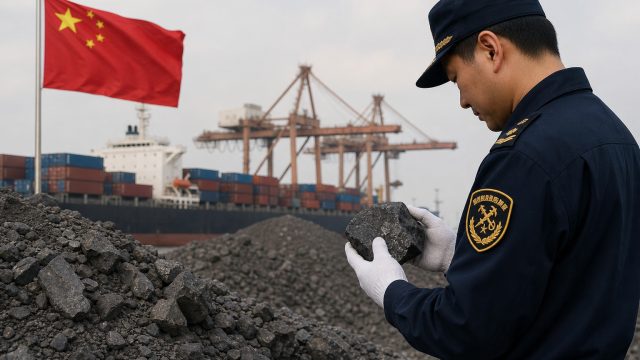
In a striking move that could reshape the landscape of global trade, China has recently announced new restrictions on its rare earth element exports, significantly impacting industries worldwide. With Beijing tightening its grip amid ongoing tensions with Washington, this development underscores the critical role rare earths play in modern technology and manufacturing.
The Role of Rare Earths in Global Industries
Rare earth elements (REEs) are essential in various high-tech applications, from smartphones to electric vehicles and renewable energy technologies. As the world increasingly turns to sustainable solutions, the demand for these materials has surged. China has long been a dominant player in the rare earth market, accounting for approximately 60% of the global supply. These new export restrictions signal a strategic maneuver to control this vital resource.
Why Are Rare Earths So Crucial?
Technological Advancements: REEs are crucial for producing advanced electronics, batteries, and magnets. Without them, progress in tech innovation would significantly slow.
Energy Transition: As countries aim for greener futures, rare earths are pivotal in developing efficient wind turbines and electric vehicle batteries.
National Security: Governments view access to these materials as a matter of national interest, particularly in a world increasingly divided by geopolitics.
Impacts of China's Export Restrictions
With China’s latest export policies, global industries are bracing for potential disruptions. This tightening of supply can lead to increased prices and competition for alternative sources. Countries heavily reliant on imports for these materials—most notably the United States and members of the European Union—may need to rethink their supply chains.
Short-Term Consequences
Price Fluctuations: As supply diminishes, prices for rare earth elements are expected to rise sharply, affecting everything from consumer electronics to electric vehicle pricing.
Supply Chain Re-evaluation: Companies may need to source rare earths from alternative suppliers, which could lead to longer lead times and increased costs.
Innovation Stifling: Increased costs may slow down research and development in technologies aiming for sustainability.
The Broader Geopolitical Landscape
This move by China highlights a much larger geopolitical narrative. As trade tensions continue between China and the United States, the implications of these restrictions extend far beyond economics. The potential for trade wars could escalate, affecting various sectors, including agriculture and technology.
International Reactions and Strategies
Countries around the world are beginning to react to China's export control. Some are enhancing domestic production capabilities; others are forging new international partnerships to secure their rare earth supplies.
United States: The U.S. government is investing in domestic rare earth production to reduce reliance on Chinese imports.
European Union: The EU is exploring initiatives to create a more robust supply chain of rare earth elements within its member countries.
Australia: As one of the few countries outside of China with rare earth resources, Australia is positioning itself as a key supplier for Western nations.
Looking Ahead: What’s Next for Rare Earths?
The current scenario raises critical questions about the future of rare earth supply chains. Market analysts predict that this situation may catalyze a race to innovate in recycling and alternative materials, potentially leading to breakthroughs in technology that could lessen dependency on traditional rare earth mining.
Potential Solutions and Innovations
Recycling Initiatives: Investing in recycling technologies could significantly reduce the need for new rare earth mining, alleviating supply pressures.
Research on Alternatives: Scientists are exploring alternative materials that could replace rare earths in certain applications, which may revolutionize industries.
Investment in New Mines: As countries seek independence from China, there may be a resurgence in mining operations in other parts of the world.
Conclusion
China's recent export restrictions on rare earth elements have ignited a firestorm of concern across global markets. The implications reach far beyond economics, touching on national security, technological advancement, and international relations. As nations scramble to adapt, the balance of power in the rare earth industry may shift, which could redefine future technological landscapes. Keeping an eye on these developments is essential for industry stakeholders, policymakers, and consumers alike.



















I want to join(After leaving a message, a dedicated person will contact you immediately)
1826 companies have found cooperation projects through us