Navigating Fertilizer Supply: India's Ships Transiting the Hormuz Strait | slot online terpercaya sultan play, tom and jerry game
Editor:Collector Date: 2026-06-23Views:
Navigating Fertilizer Supply: India's Ships Transiting the Hormuz Strait
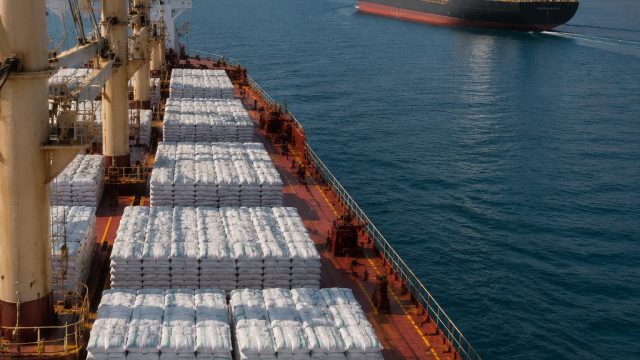
As the global agricultural landscape continues to evolve, the importance of reliable fertilizer supplies has never been more critical. Recently, reports have confirmed that ships carrying fertilizers destined for India are successfully passing through the strategic Hormuz Strait. This vital passage has become a focal point for international shipping, particularly in light of the ongoing geopolitical tensions and fluctuations in the fertilizer market.
The Importance of the Hormuz Strait
The Hormuz Strait, a narrow waterway separating the Persian Gulf from the Gulf of Oman, is one of the most crucial maritime passages in the world. Approximately 20% of the world's oil trade flows through this strait, making it a significant route not just for energy but also for various commodities, including fertilizers. The recent passage of Indian-bound fertilizer ships highlights the strait's ongoing role in global trade, particularly as nations seek to secure essential agricultural inputs amidst supply chain disruptions.
Why Fertilizer Supply Matters Now
With global food security becoming an increasingly pressing issue, the supply of fertilizers is essential for sustaining agricultural productivity. Fertilizers play a vital role in enhancing crop yields, and disruptions in their supply can have cascading effects on food availability and pricing. As countries like India rely heavily on imports for their fertilizer needs, smooth transit through key maritime routes like the Hormuz Strait is fundamental to ensuring agricultural sustainability.
Current Supply Chain Dynamics
The current geopolitical climate is characterized by fluctuating fertilizer prices and supply chain constraints. A variety of factors, including conflict in key producing regions, have led to heightened scrutiny and analysis of shipping routes. The successful navigation of these Indian-bound ships through the Hormuz Strait signifies a temporary stabilization in what has been a volatile sector.
Impacts on Fertilizer Pricing
Reduced Shipping Delays: Successful transits can lower costs associated with delays.
Market Stability: A steady flow of supplies can help stabilize prices in the global market.
Supply Assurance: Consistent delivery reduces fears of shortages among farmers and distributors.
Future Outlook for India's Fertilizer Supply
Looking ahead, the Indian government and agricultural stakeholders must remain vigilant regarding their fertilizer supply chains. The recent successful transits are promising, yet uncertainties persist. Factors influencing future fertilizer availability include international relations, shipping costs, and production levels from exporting nations.
Strategies to Enhance Supply Reliability
To mitigate risks associated with supply disruptions, stakeholders may consider the following strategies:
Diversifying Supply Sources: Reducing dependency on a single supplier can enhance resilience.
Investing in Local Production: Encouraging local fertilizer production can lessen reliance on imports.
Strengthening Trade Relations: Building robust relationships with key exporting nations can foster more secure supply chains.
Conclusion
The successful navigation of fertilizer ships through the Hormuz Strait highlights a moment of relative stability in a tumultuous market. However, the importance of this development cannot be overstated as it plays a crucial role in securing the food supply for one of the world's most populous countries. As India prepares to meet its agricultural demands, the resilience and adaptability of its supply chain will be put to the test in the coming months. For now, the passage of these ships offers a glimmer of hope for farmers and consumers alike.



















I want to join(After leaving a message, a dedicated person will contact you immediately)
1826 companies have found cooperation projects through us